February 3, 2026
By Martin | February 3, 2026
Understanding whether a roof can be repaired or must be fully replaced is one of the most important decisions a property owner can make. A roof protects everything beneath it—from the structure itself to the people and belongings inside—so delaying action when serious problems arise can create cascading damage and escalating costs. While minor fixes can sometimes extend a roof’s life, there are moments when replacement becomes the smarter, safer, and more economical option. Learning how professionals evaluate deterioration, energy loss, material aging, and long-term value empowers owners to approach major decisions with clarity rather than stress. With the help of experienced roofing services, homeowners and commercial managers alike can protect their investments for decades to come.
Identify Signs Your Roof Needs More Than a Repair
Recurring water intrusion is one of the clearest signals that a roof may be past the point of patchwork solutions. Occasional leaks around flashing or penetrations can sometimes be sealed, but when stains spread across ceilings after every storm, the underlying system is usually compromised. Prolonged moisture exposure can rot decking, weaken framing, and create mold conditions that threaten indoor air quality. In situations like these, professional roofing services often determine that replacement is the most responsible path forward.
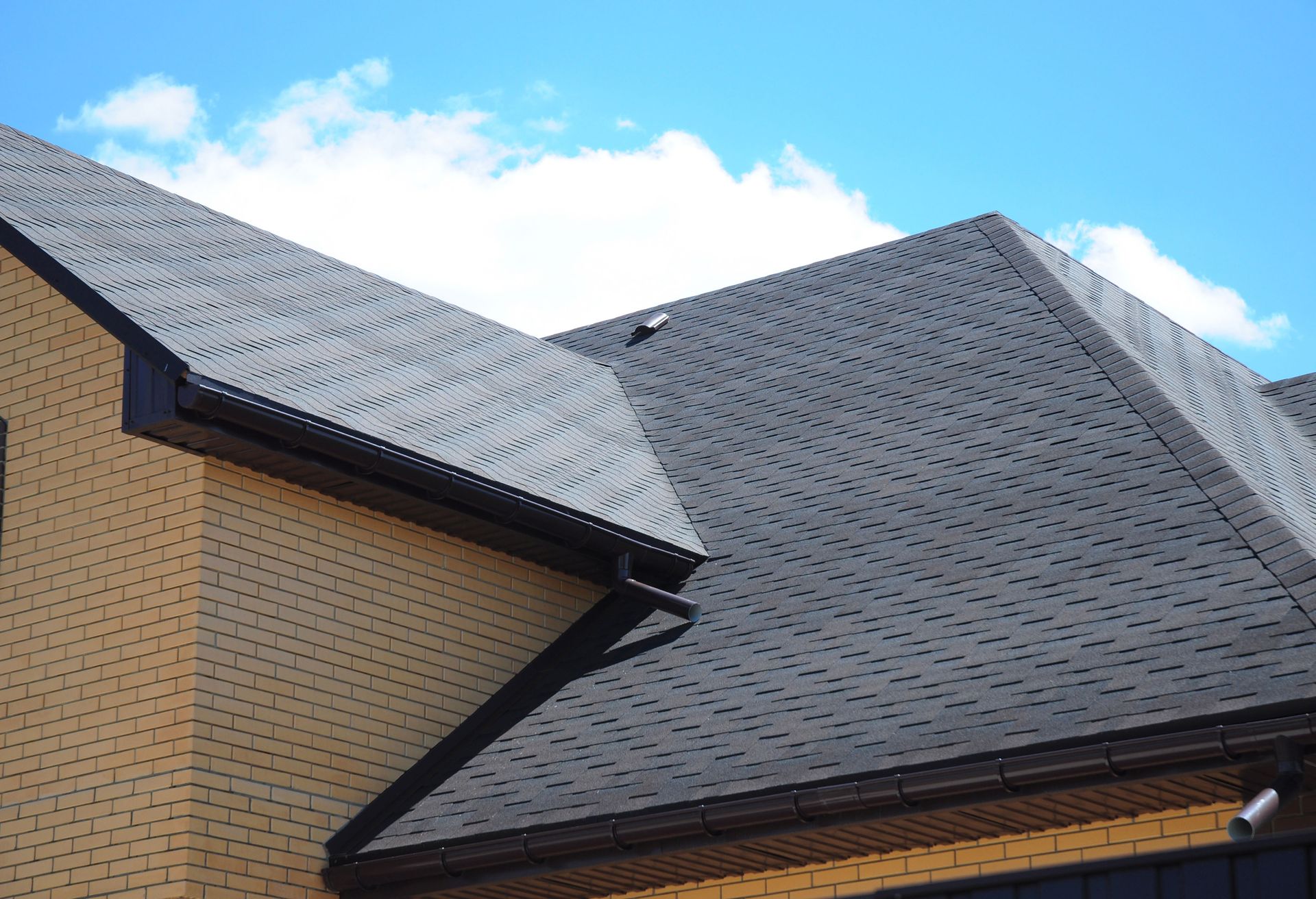
Shingles act as the roof’s first line of defense, and visible deterioration should never be ignored. Curling edges, cracking surfaces, missing tabs, and granules accumulating in gutters all point to aging materials that no longer shield the structure properly. According to Astute Analytica, asphalt shingles remain the most popular roofing material for homeowners, with an estimated 140 million squares used in residential roofing by 2025. When damage appears across large sections rather than isolated spots, replacing the entire system frequently proves more cost-effective than chasing repairs every season.
Structural sagging is another urgent indicator. A dipping ridge line, spongy decking, or uneven roof planes can result from trapped moisture, long-term leaks, or excessive weight from debris and pooling water. These symptoms suggest foundational weaknesses beneath the surface, which typically cannot be resolved with surface-level fixes alone. Prompt action is essential to avoid escalating failures that may threaten interior spaces or overall building integrity.
Energy efficiency also offers clues about roof health. Deteriorated underlayment, poor ventilation, or compressed insulation allow conditioned air to escape, driving up heating and cooling costs throughout the year. When utility bills rise without other clear explanations, the roof may be a contributing factor. A full replacement that incorporates modern insulation strategies and airflow systems can restore comfort while lowering monthly expenses.
Finally, age matters. Every roofing material has a projected lifespan, and once that window closes, issues tend to multiply quickly. Asphalt systems often last two to three decades depending on climate and maintenance, while other materials vary widely. Owners who postpone replacement on aging roofs often find themselves paying repeatedly for temporary fixes until replacement becomes unavoidable.
Evaluate The Financial Impact Of Replacement
Comparing the cumulative cost of repeated repairs with the price of a new roof often shifts the equation. Leak fixes, shingle swaps, interior ceiling repairs, and emergency calls add up rapidly over a few years. Replacement requires a larger upfront investment, but it typically resets maintenance expectations and reduces surprise expenses. New materials and installation techniques also provide stronger resistance against storms and wear, offering long-term stability.
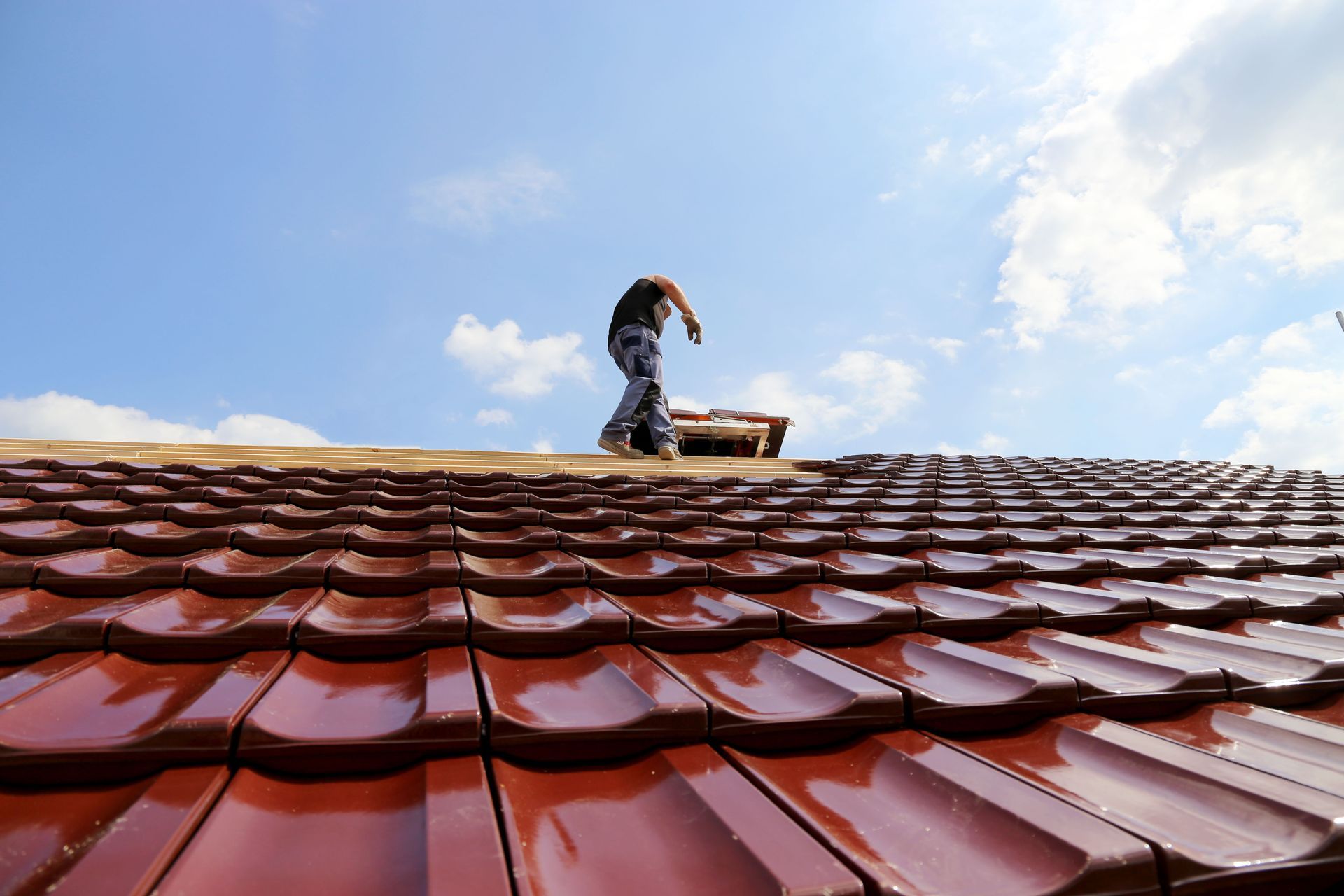
Material choice during roofing services plays a significant role in overall value. Premium asphalt products, metal systems, and tile roofs generally command higher prices at installation, yet their longevity and performance can offset that initial cost over time. Considering durability, maintenance requirements, and climate exposure helps property owners choose materials that align with both budget goals and future expectations.
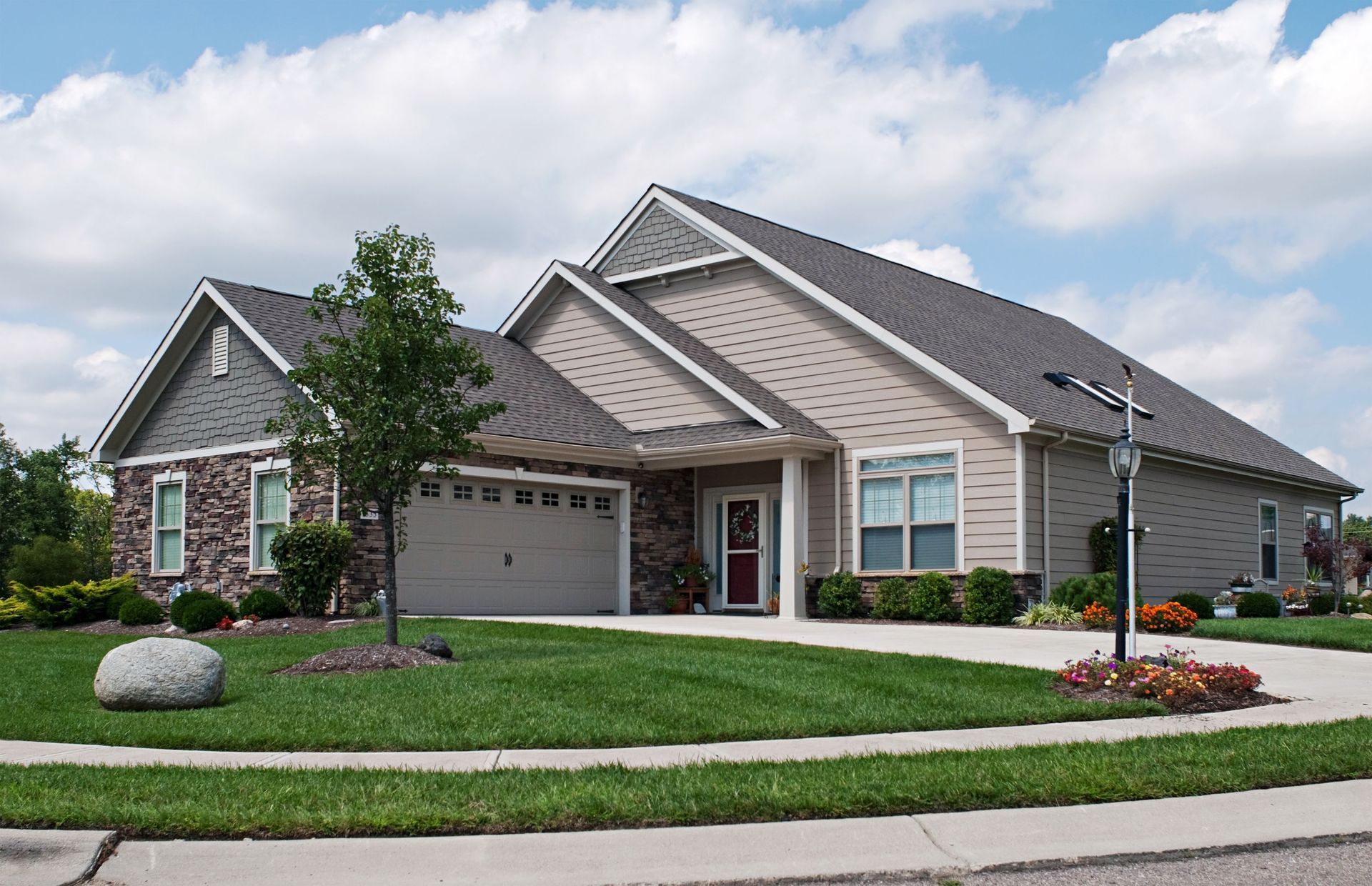
A new roof also boosts resale potential. Buyers frequently prioritize properties that demonstrate recent major upgrades, and a brand-new roof removes one of the biggest uncertainties in any inspection report. Fresh materials enhance curb appeal while signaling responsible ownership, often supporting higher offers and quicker transactions.
Insurance savings may follow as well. Many carriers evaluate roof age and condition when setting premiums, and newer systems built to current codes can reduce perceived risk. Some impact-resistant or storm-rated materials even qualify for discounts, allowing owners to recoup part of their investment through lower annual coverage costs.
Understand Technological Advances In Roofing
Innovation has reshaped today’s roofing landscape. In addition to traditional asphalt products, owners now consider synthetic slate, living green roofs, and integrated solar tiles. These options provide aesthetic variety while delivering enhanced durability and weather resistance. Lightweight composites reduce structural strain and simplify installation, extending service life in the process.
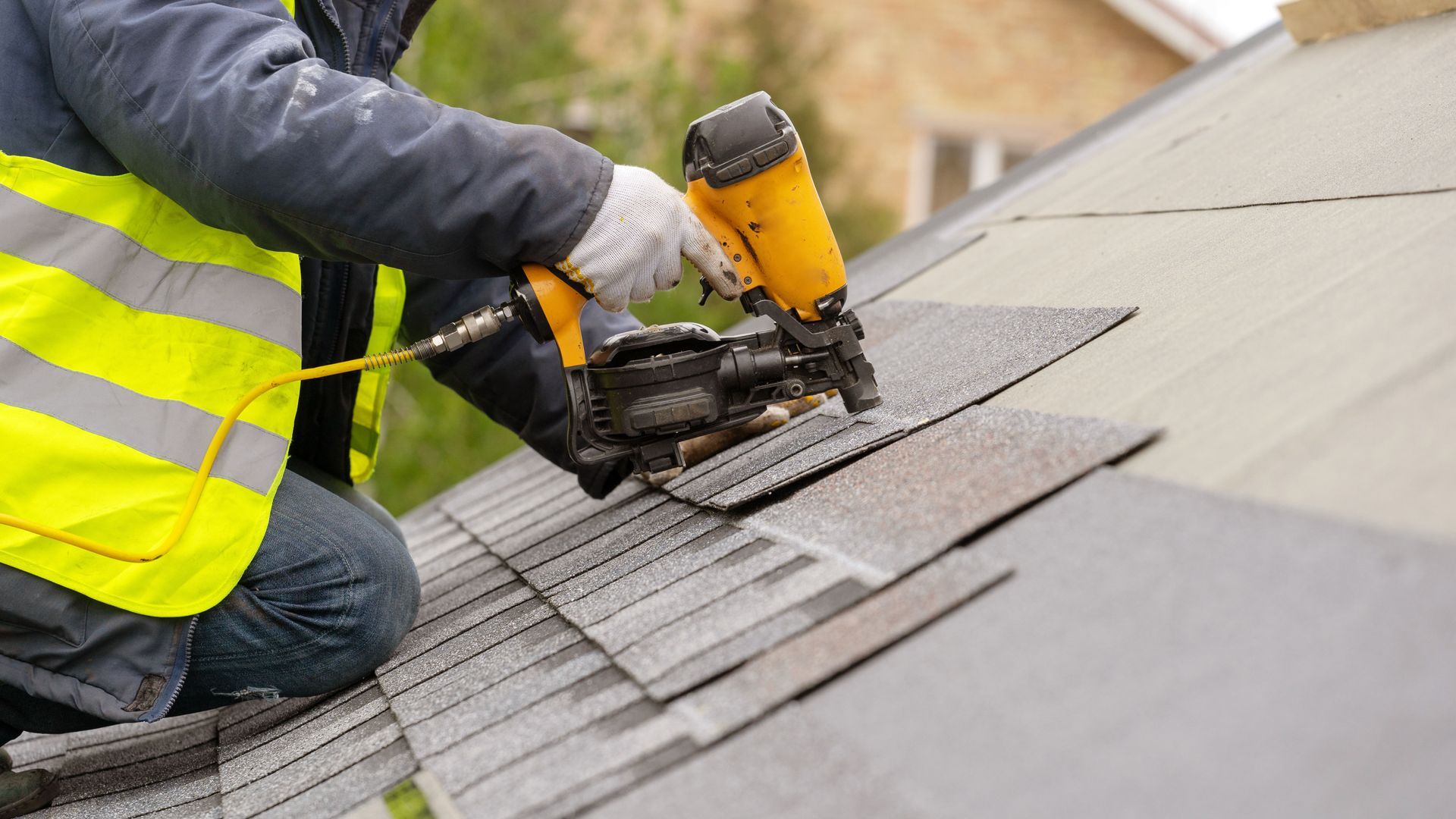
Installation methods have also evolved significantly. Prefabricated components, precision fastening systems, and advanced safety practices streamline projects and improve overall build quality. Faster completion times reduce disruption for occupants while lowering labor expenses and minimizing exposure to weather during construction.
These advancements reduce long-term maintenance demands. Durable materials decrease emergency repairs and extend roof lifespan. For owners investing in professional
roofing services, technology ensures stronger performance and greater peace of mind.
Prepare For A Successful Roof Replacement
Selecting the right contractor sets the tone for the entire project. Property owners should review credentials, verify licensing and insurance, and examine prior work portfolios before committing. Clear communication about timelines, materials, warranties, and pricing builds trust and prevents misunderstandings once work begins.
Financial planning is equally important. Obtaining multiple estimates allows for realistic budgeting, while financing programs can make major upgrades more manageable. Insurance claims may also offset costs if storm damage triggered the need for replacement. Thoughtful preparation ensures progress without unexpected strain.
Understanding scheduling expectations helps avoid frustration. Weather, material availability, and roof complexity all affect timelines, so establishing contingencies and milestones upfront keeps everyone aligned. Coordinated planning minimizes disruption to daily life or business operations.
Maintain Your Roof After Replacement
Routine inspections protect a new investment. Seasonal professional evaluations combined with homeowner checkups help identify debris buildup, flashing wear, or drainage issues before they escalate. Staying proactive preserves warranties and reduces the likelihood of surprise repairs.
Seasonal maintenance extends longevity as well. Clearing gutters, trimming overhanging branches, and addressing minor concerns after storms keep systems performing as designed. A consistent care routine prepares roofs for extreme weather and maintains visual appeal.
Early detection remains crucial even after replacement. Watching for loose shingles, discoloration, or attic moisture allows owners to resolve small problems before they expand. Documentation of maintenance activities also supports warranty compliance. Feedback from contractors and inspectors after project completion can guide future home-care decisions. Lessons learned during replacement inform smarter material choices and service scheduling down the road, strengthening long-term property management strategies.
Determining whether to repair or replace a roof affects safety, finances, and sustainability for years to come. By recognizing warning signs, weighing long-term value, embracing modern technology, and planning carefully, owners can approach major decisions with confidence rather than uncertainty. When the time comes to move forward, Winters Roofing delivers comprehensive residential and commercial solutions—including replacements, repairs, inspections, installations, emergency service, and financing—while remaining fully licensed, bonded, and insured. Serving Chattanooga, TN, our team stands ready to provide dependable roofing services that protect your property and your peace of mind. If you suspect your roof may be nearing the end of its life, contact Winters Roofing today to schedule an inspection with us and explore replacement options designed to keep your building secure for decades to come.