March 4, 2026
By Martin | March 4, 2026
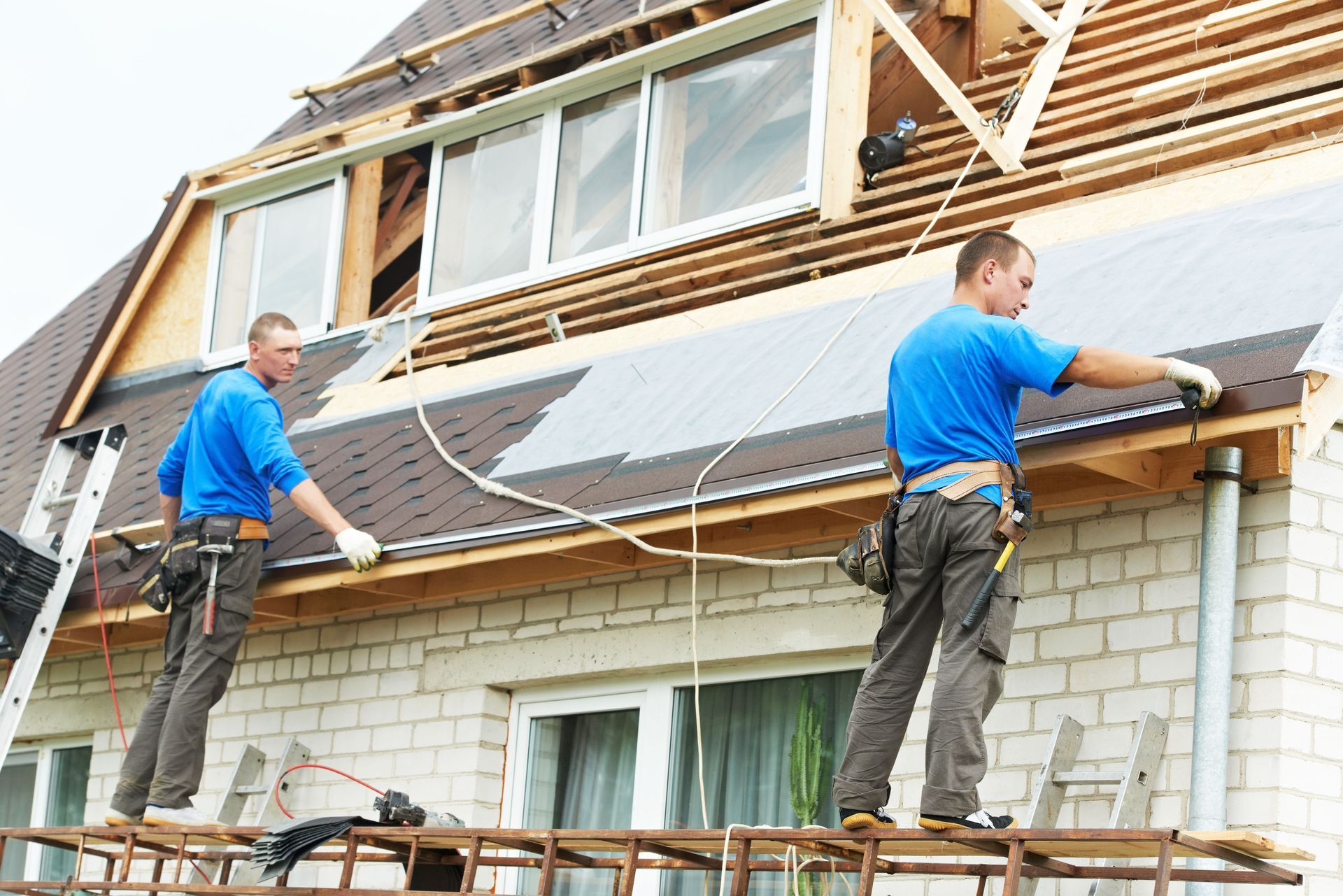
Choosing the right roofing material is a critical decision for homeowners. It influences not only the functionality and durability of the roof but also its aesthetic appeal, energy efficiency, and cost. Different regions have different climatic conditions; thus, the suitability of roofing materials varies widely from area to area. Insights from local roofers, who are familiar with a specific region's weather patterns, common architectural styles, and locally available materials, can be invaluable. Homeowners often benefit from consulting these professionals to ensure that their roofing investments align with their unique needs and expectations.
The array of roofing materials available today can make the selection process daunting. Aside from personal preferences, other factors such as local building codes, environmental concerns, and roof pitch must be considered. Each material comes with its own set of pros and cons, which can affect overall homeowner satisfaction. Understanding these nuances helps in making an informed choice that aligns with both immediate requirements and long-term goals. As we explore popular roofing options in this article, the significance of local roofers' recommendations will be emphasized.
While some materials may appear more affordable upfront, hidden costs related to maintenance or reduced lifespan could impact overall expenses. Additionally, some roofing materials offer improved energy efficiency and reduced environmental impact, which may appeal to eco-conscious homeowners. The importance of balancing these factors along with personal aesthetic preferences cannot be understated. In this article, we delve into the most common roofing materials, provide a detailed analysis of their attributes, and share insights from industry experts on choosing the most suitable option for your home. By the end, you'll have a comprehensive understanding of the roofing landscape, enabling you to make a well-informed decision.
Section 1: Asphalt Shingles
Overview of Asphalt Shingles
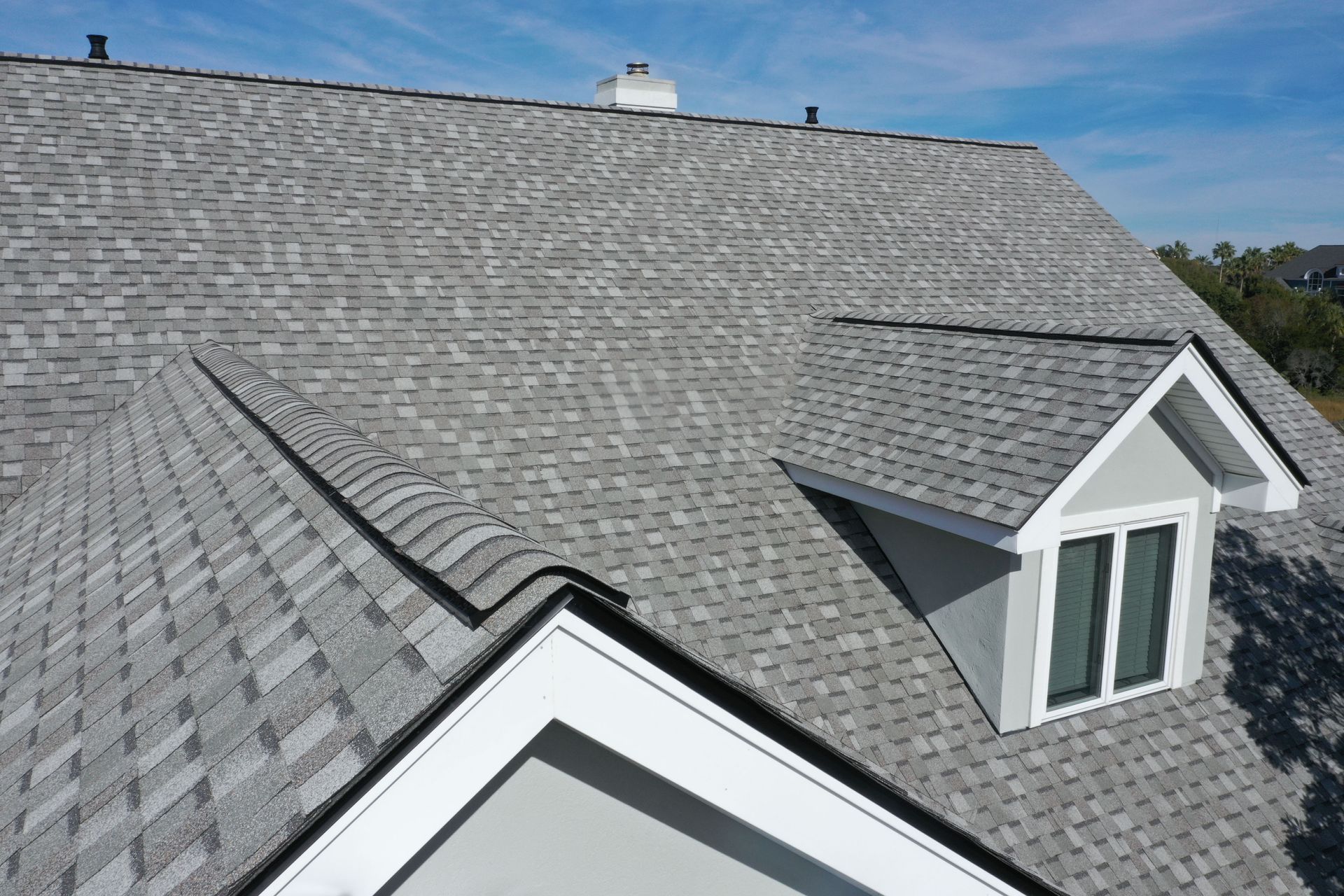
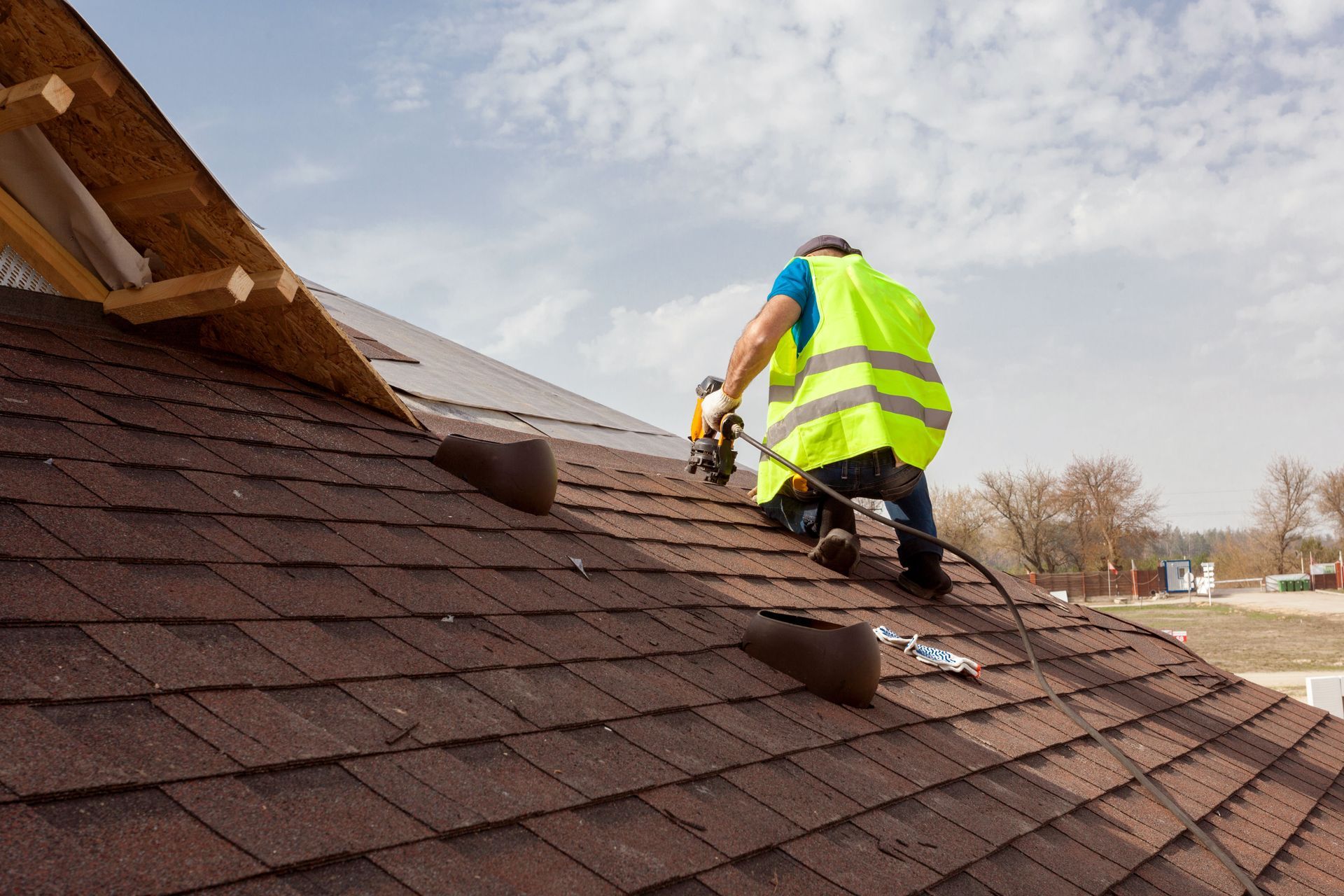
Asphalt shingles are the most prevalent roofing material in North America, with over 80% of American homes featuring them, according to Fixr. They are popular due to their cost-effectiveness, ease of installation, and wide range of styles. Made from a fiberglass base mat coated with asphalt and mineral granules, these shingles are designed to protect the home from the elements. The variety in textures and colors available enhances their visual appeal, allowing homeowners to match their roof with the exterior décor. Despite their widespread use, it is essential to consider their suitability based on the regional climate and roofing needs.
Asphalt shingles come in two primary forms: fiberglass and organic. Fiberglass shingles are lighter and offer better protection against humidity, while organic shingles, though more durable, are susceptible to moisture and harsh environmental conditions. Innovations in manufacturing have led to more durable and environmentally friendly shingles, sometimes incorporating recycled materials to reduce ecological impact. It's important to note that while asphalt shingles perform well in various climates, they have a shorter lifespan compared to other materials, typically lasting 20 to 30 years with proper maintenance. Choosing a well-known brand can further ensure quality and longevity.
Thanks to their affordability and adaptability, asphalt shingles remain a preferred choice for many homeowners, especially first-time buyers. Cost and aesthetic versatility are significant factors driving this popularity, as these shingles can emulate more expensive materials like cedar or slate. For those living in areas prone to sudden weather changes, dimensional or architectural shingles might offer enhanced durability and protection from wind and storms. Consulting with local roofers can help determine the best type and style to suit your home’s specific needs and environmental conditions. Furthermore, local preferences and building codes also play a role in material selection.
Section 2: Metal Roofing
Benefits of Metal Roofing
Metal roofing is gaining popularity due to its durability and longevity. It is an excellent choice for regions experiencing harsh weather conditions, as metal roofs can withstand extreme temperatures, heavy snowfall, and high winds. They tend to last between 40 to 70 years, depending on the material, which may include steel, aluminum, copper, or zinc. Metal roofing is also fire-resistant, adding an extra safety layer to homes in areas susceptible to wildfires. A significant advantage is the reflectivity of metal surfaces, which helps lower energy costs by deflecting heat away from the home.
Beyond durability, metal roofs are becoming more popular due to their eco-friendly attributes. Most metal roofing materials are composed of recycled content and are 100% recyclable at the end of their life cycle, making them an environmentally responsible choice. The lightweight nature of metal roofing enables easier installation and maintenance compared to heavier materials like slate or tile. Advances in technology have also introduced coatings and finishes that enhance the aesthetic appeal of metal roofs, allowing homeowners to choose from various styles, colors, and textures. As a result, metal roofs can complement contemporary and traditional architectural styles alike.
Many homeowners appreciate the low maintenance requirements of metal roofing. The initial investment may be higher than other materials like asphalt, but the reduced need for repairs and maintenance over time can make metal roofing a cost-effective option in the long run. Metal roofs are less likely to develop leaks and don't require regular treatment against mold or algae. It's crucial for homeowners to consult with experienced local contractors to ensure proper installation, which can significantly influence the roof's performance and longevity. By doing so, homeowners can optimize their investment and enjoy the various benefits metal roofing offers.
Section 3: Wood Shingles and Shakes
Differences Between Shingles and Shakes
Wooden roofing materials, including shingles and shakes, offer a traditional and rustic aesthetic that complements certain architectural styles. While both are crafted from wood, primarily cedar, redwood, or pine, they differ in manufacturing processes and appearance. Wood shingles are machine-cut, offering a smooth, uniform look, while shakes are hand-split, providing a more rugged and textured appearance. Both options provide decent insulation properties, helping to regulate indoor temperatures naturally. Nevertheless, selecting between wood shingles and shakes involves weighing factors like cost, maintenance, and visual appeal.
In conclusion, selecting the right roofing material involves a balance of cost, appearance, durability, and environmental considerations. This article has highlighted the key aspects of each material type, emphasizing the practical insights offered by local roofers, who can tailor advice based on regional conditions and homeowner priorities. Asphalt shingles emerge as a versatile and economic choice, while metal and wood options offer durability and aesthetic appeal. Slate and tile materials provide distinct identities wrapped in timeless beauty and proven performance, each with unique installation requirements and maintenance needs.
Synthetic roofing options, on the other hand, offer growing potential as a cost-effective alternative designed to mimic traditional materials while incorporating modern performance features. Each material type carries its own set of attributes, advantages, and challenges, warranting careful consideration based on individual preferences and local circumstances. Given the complexity and implications of roofing investments, collaborating with knowledgeable local professionals emerges as an essential step in optimizing outcomes.
Whether you favor traditional or modern aesthetics, seek cost efficiency or cutting-edge sustainability, this guide aims to provide the foundational knowledge required to navigate the myriad of roofing choices effectively. Remember to prioritize the long-term implications of your choice and to engage with trusted local roofers early in the decision-making process. By doing so, you can confidently embark on your roofing project, knowing that your investment will not only enhance your home's beauty and value but also withstand the test of time. Be sure to reach out to Winters Roofing, Inc today for more information on our professional local roofers!