June 14, 2026
By Martin | June 14, 2026
Maintaining the roof of a building is crucial not only for extending its lifespan but also for protecting the overall structure from various elements. Regular roofing services ensure that the roof performs its function effectively, which is vital as it serves as the first line of defense against environmental factors. Neglecting regular roofing services can lead to a host of problems, including leaks, mold growth, and structural damage that could compromise a building's safety. Preventative maintenance can save homeowners from costly repairs and ensure their property maintains its value. This article explores the essential role roofing services play in preventative maintenance and provides insights into effective strategies for property owners.
Understanding Roofing Systems
Types of Roofing Materials
Roofs can be constructed from a variety of materials, each offering different strengths and lifespans. Common materials include asphalt shingles, metal roofs, wood shakes, clay tiles, and slate. Each type of material offers distinct advantages; for instance, asphalt shingles are cost-effective and easy to install, whereas metal roofs offer superior durability and energy efficiency. The choice of material often depends on regional climate, budget constraints, and aesthetic preferences. Selecting the appropriate roofing material is crucial as it influences maintenance requirements and the overall longevity of the roof.
Understanding the different materials available allows homeowners to make informed decisions about their roofs. Asphalt shingles remain popular due to their affordability and versatility. Metal roofs, though more expensive initially, provide longevity and lower maintenance needs. For historic homes, wood and slate offer quaint beauty but demand regular upkeep. Ultimately, informed decisions about roofing material contribute significantly to the effectiveness of preventative maintenance strategies.
Climate and environment often dictate the most suitable roofing materials for a particular region. In warmer climates, clay tiles are preferred for their ability to reflect heat, while metal roofs are apt for areas prone to wildfires. Conversely, asphalt shingles perform well in varied climates, making them a versatile choice for many homes. Proper material selection aligned with local weather conditions can enhance roof performance and minimize maintenance needs. An optimal match of material to climate ensures the roof remains in excellent condition over time.
Structural Components of a Roof
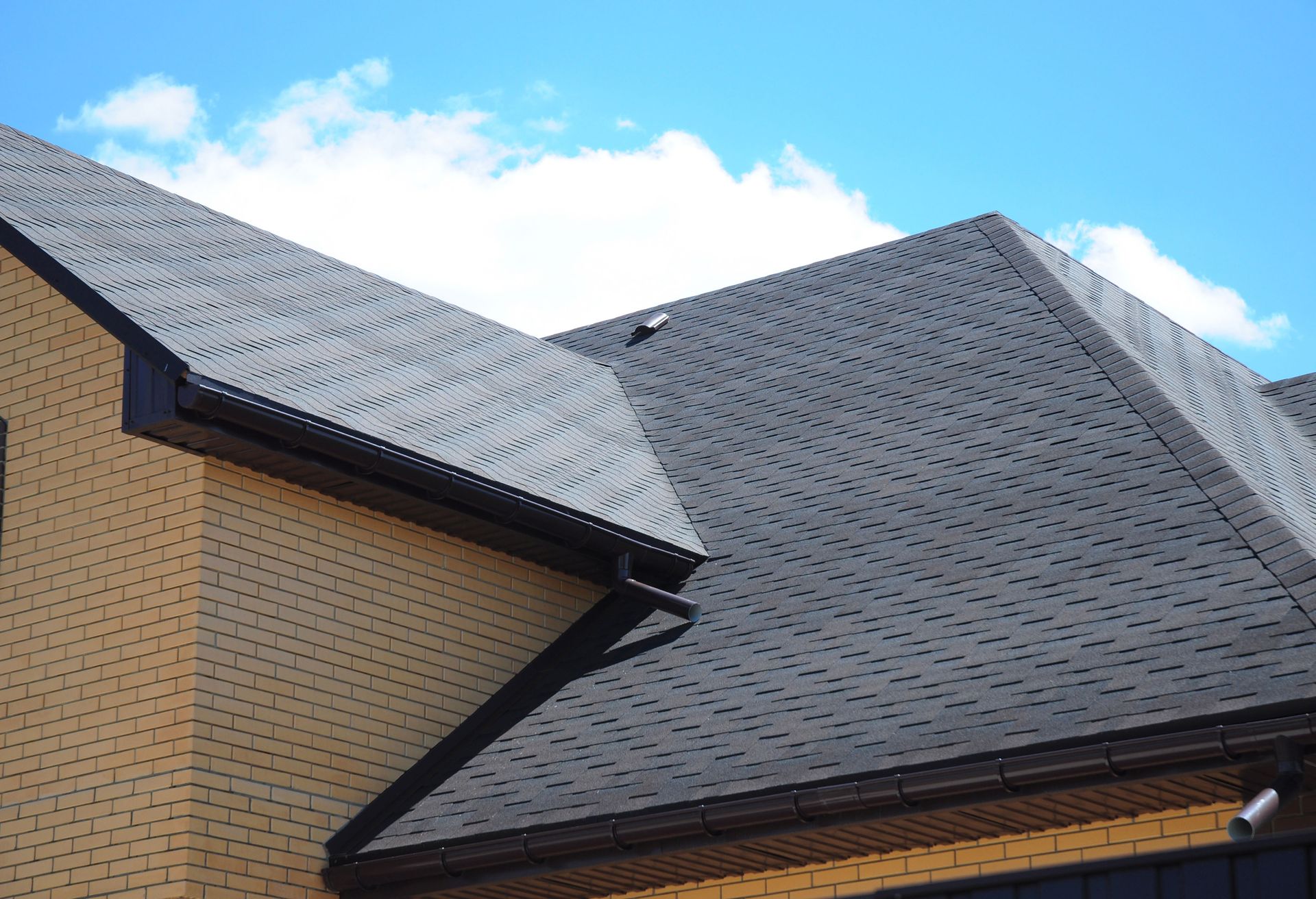
A roof is not simply an outer layer; it consists of multiple components working together to form a comprehensive protective system. The key elements include the decking, underlayment, flashing, and surface material. Decking supports the weight of the roof, while underlayment acts as a waterproof barrier between the decking and the outermost layer. Flashing is used around joints such as chimneys and vents to prevent water infiltration. Each component must be properly maintained to ensure the roof's integrity.
An understanding of these components highlights the complexity of roofing systems and the necessity for professional roofing services. Regular inspections help identify wear and damage in these critical elements. By catching potential issues, homeowners can address problems before they escalate into significant repairs, ensuring the roof functions optimally. The interplay of these parts underlies why roofing maintenance should not be taken lightly. Ignoring even minor damage could lead to serious consequences for the entire structure.
Routine maintenance addresses wear and tear on all parts of the roofing system. Professionals look for signs of deterioration and repair problems accordingly. This proactive approach lengthens the lifespan of each component. According to a survey conducted by This Old House, about 79% of 2,000 homeowners chose to hire roofing services for their roofing work, underscoring the importance of skilled maintenance. Ultimately, a well-maintained roof ensures that the entire building remains protected from environmental hazards.
Common Roofing Problems
Roofs can suffer from a variety of issues if not regularly maintained. Common problems include leaks, damaged or missing shingles, and improper installation. Leaks are particularly damaging and can lead to interior water damage, mold growth, and increased energy bills. Damaged shingles leave roofs vulnerable to further deterioration, while poor installation compromises the roof's overall effectiveness from the beginning. Recognizing these problems early can save homeowners from expensive repairs and enhance the roof's performance.
During regular inspections, professionals assess the roof for signs of these common issues. They inspect the condition of shingles and other components, check for leaks, and ensure that the structure meets safety standards. If potential issues are identified, they are addressed promptly to prevent escalation. This routine is crucial in averting substantial problems that could otherwise go unnoticed and become costly. By addressing these concerns proactively, homeowners can maintain a sturdy and effective roof that requires minimal repairs over time.
Another common issue is poor drainage, which can lead to water pooling and subsequent damage. Gutter maintenance and the installation of proper drainage systems address this problem effectively. Additionally, roofs may suffer from biological growth such as moss or algae, which can deteriorate roofing materials over time. Regular cleaning and treatments help manage this growth. Proactive measures against common problems are vital components of an effective preventative maintenance strategy.
The Lifespan of Different Roofing Systems
Longevity plays a crucial role in the total cost of ownership for a roofing system. Investing in materials with longer lifespans may have higher initial costs but offer savings in the longer term through reduced frequency of repairs and replacements. Routine maintenance actions, such as cleaning and attending to minor repairs, significantly extend the life of any roofing system. Homeowners are encouraged to consider both cost and durability when selecting roofing materials. These decisions directly impact their long-term savings and the overall performance of the roof.
Climate and environmental factors also play significant roles in determining the longevity of roofing systems. Materials suitable for one climate may underperform in another. For instance, metal roofs perform exceptionally well in areas with heavy snowfall, whereas asphalt shingles may not hold up as long in harsh weather. To optimize a roof's lifespan, homeowners should consult with experts familiar with local climate conditions. Seeking professional guidance ensures the best choices are made, resulting in durable and resilient roofing systems.
Benefits of Regular Roof Inspections
Identifying Early Signs of Damage
Regular roof inspections are vital for identifying early signs of damage that could lead to significant issues if left unchecked. These inspections often reveal subtle problems such as loose shingles, minor leaks, or early signs of wear and tear that may go unnoticed by the untrained eye. By addressing these minor issues early, homeowners can prevent more extensive and costly repairs. Proactive inspections also help maintain the overall health of the building structure. Regular monitoring ensures that repair activities are well planned and budgeted over time.
Early detection of potential damage is critical in maintaining the structural integrity of the home. Inspections should be performed at least twice a year, ideally before and after the season or any major weather event. This allows homeowners to spot and repair damage caused by environmental stressors or general aging. Regular inspections also allow for ongoing maintenance that adapts to the evolving needs of the roofing system as it ages. By engaging roofing services, homeowners ensure these inspections are both comprehensive and accurate.
Preventative roof maintenance is one of the most effective ways to protect a home from long-term damage, unexpected repairs, and reduced property value. From regular inspections and gutter care to cleaning, waterproofing, and timely repairs, consistent roofing services help keep every part of the roofing system working properly.
A roof is exposed to changing weather, debris, moisture, and age-related wear every day, so proactive care can make a major difference in performance and lifespan. By relying on professional roofing services, homeowners can identify problems early, improve energy efficiency, support insurance requirements, and preserve the comfort and safety of their property. In the long run, dependable roofing services give homeowners confidence that their roof is prepared to protect the structure through every season. Reach out to Winters Roofing, Inc today for more.